Home
THE VILLAGE
Berwick St James is a small village of about 77 houses, just off the A303 a few miles to the west of Stonehenge. In line with the domestic accommodation, the total population of Berwick St James and the adjoining hamlet of Asserton is small, totalling only around 150 residents. There has been a settlement in this part of the Till valley for many centuries, as records show that people lived in this valley back in Neolithic times, and it may well be that Berwick and Asserton villages started as Romano-British settlements. In 1190, Berwick was named “Berewyk Santi Jacobi”and in the Doomsday book was referred to as "Winterburne"
THE PARISH
The Parish of Berwick St James covers a wide but thin area of land, stretching from beyond Yarnbury Castle and the A303 in the west, to the world heritage site of Stonehenge, just beyond the A360 Devizes road. If travelling along the B3083 from the village of Stapleford in the south, one enters the Parish just before entering Berwick, and exits into the Parish of Winterbourne Stoke a few hundred yards after leaving the village to the north.
AGRICULTURE
Agriculture has always been the backbone of employment in Berwick, and today the surrounding land is roughly divided between two farms, Druids Lodge and Berwick Hill Farm. Berwick Hill Farm is primarily arable farmland and free-range chickens, while Druids Lodge, which covers a much larger area, is arable and dairy, while running a successful rough shooting business as well.
FEATURES
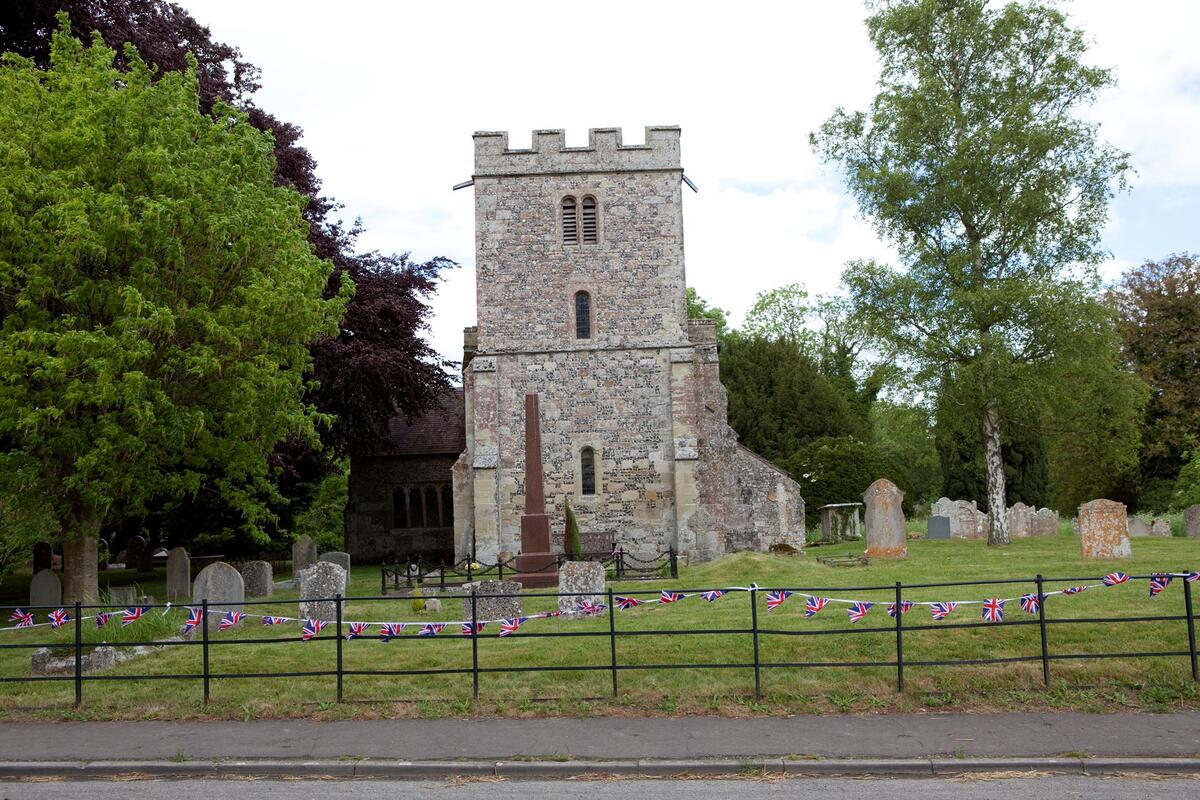
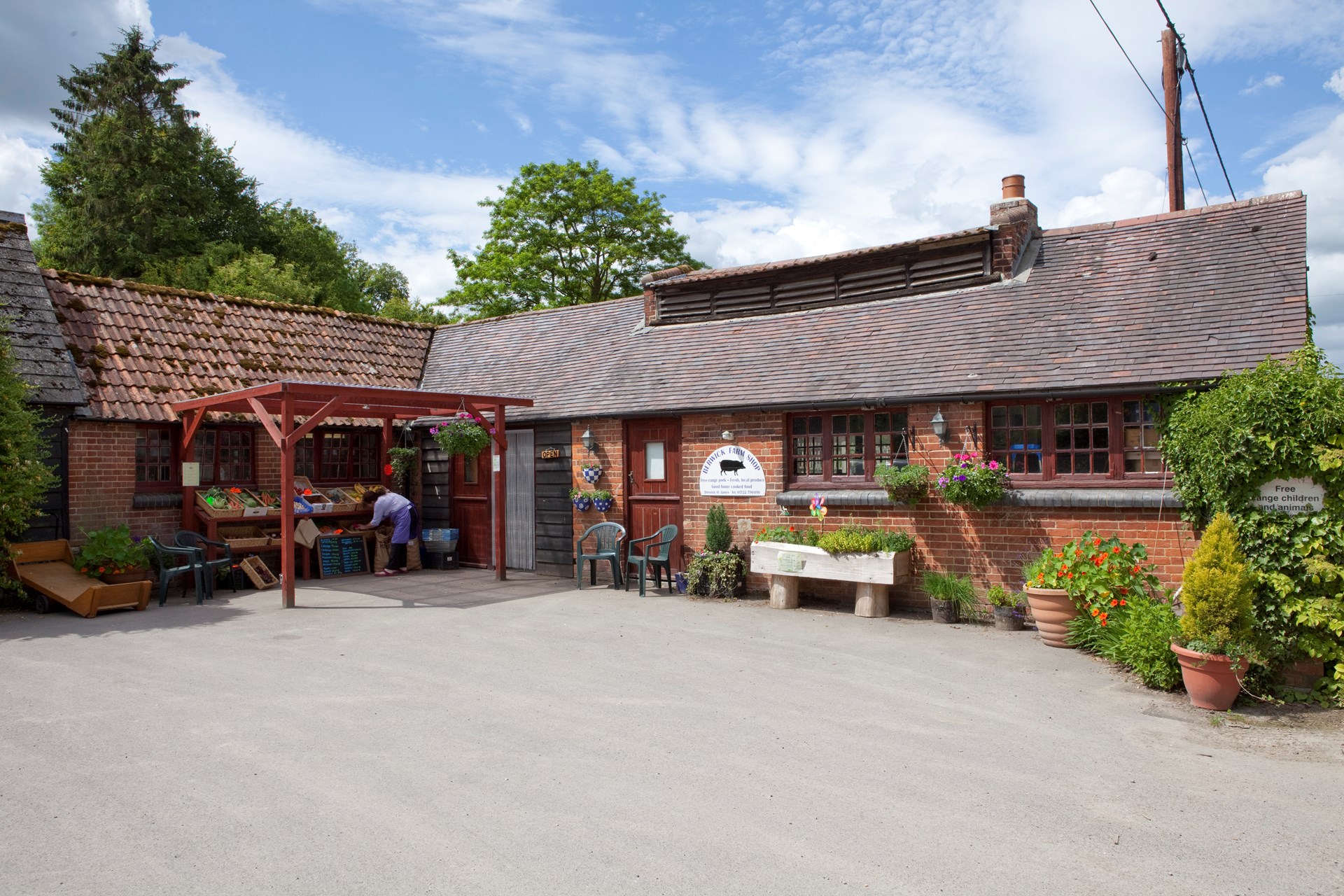
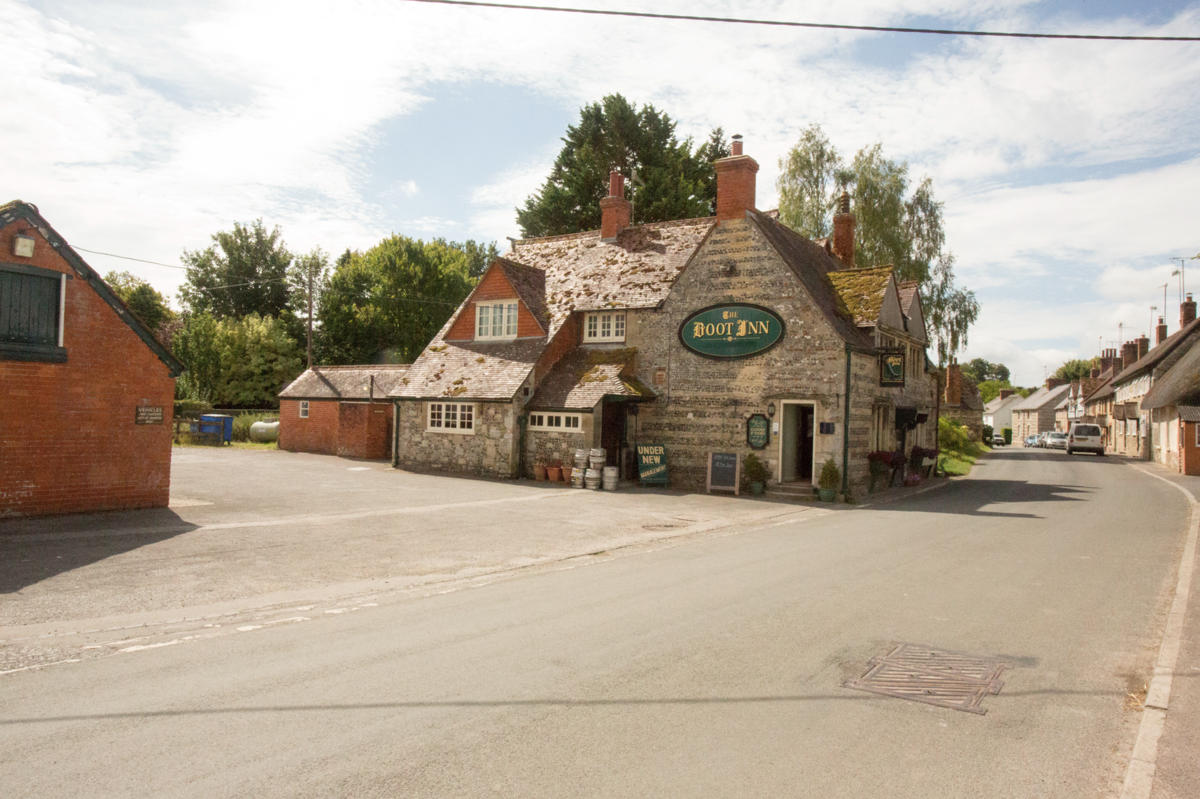
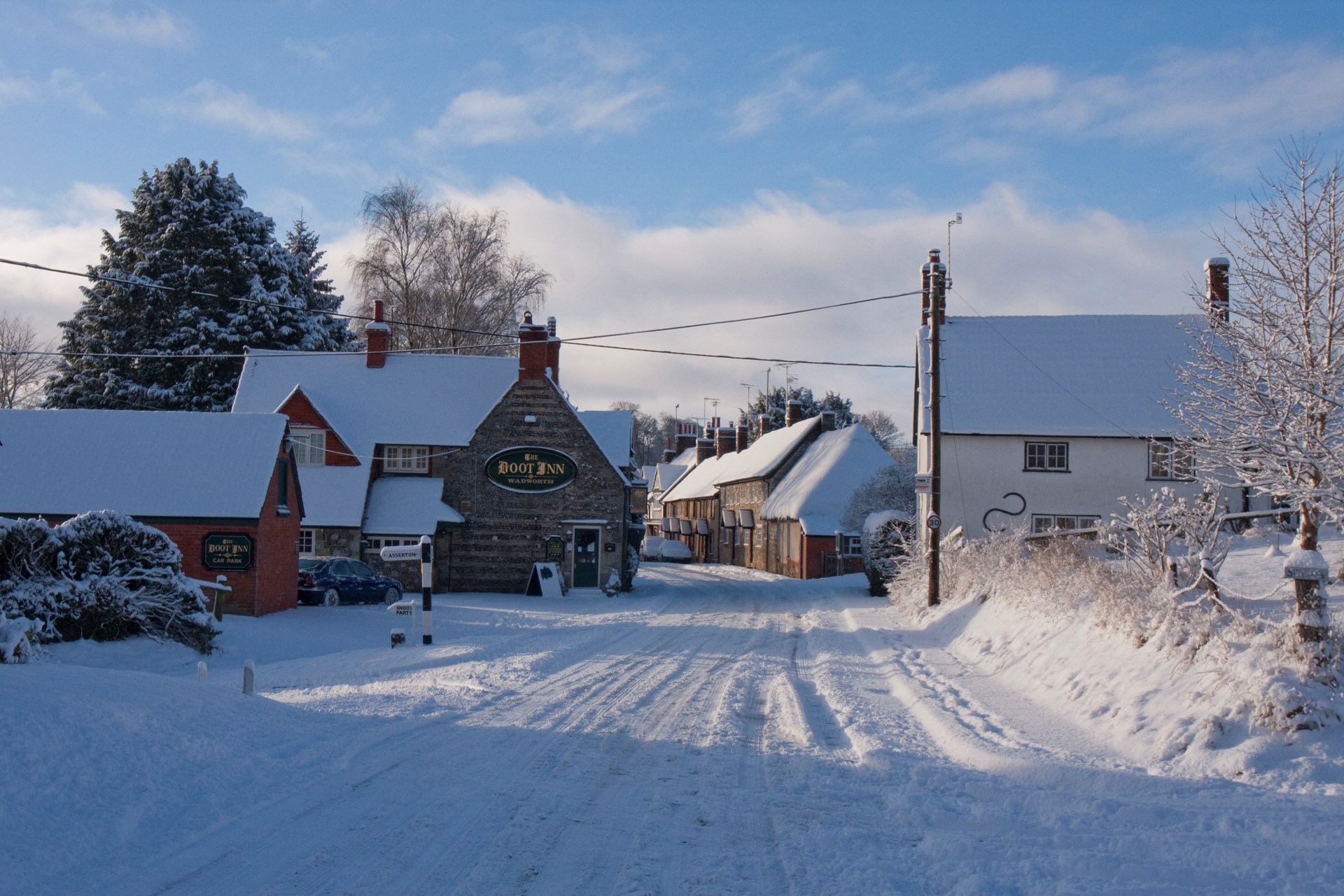
In spite of its small size, the village has a successful Farm Shop called “The Old Forge Farm Shop”, and a lively pub called “The Boot Inn” , both of which are very popular. The church, located in the centre of the village is the "Church of St James”.