|
|
|
The Community Plan shown below has been
kindly put together by Richard Brasher the Chair of
the Village Meeting. It has now been placed on this
website so that people who live in the village can have
an opportunity to view the plan and to make comments.
Comments will be added below the Community Plan. If
you would like your comments to be added below, please
send me an E mail to chris@berwickstjames.org.uk
2001
Cencus data can be viewed by following this link
Berwick St James and
Asserton
Community Plan
NB This plan has been prepared by
Richard Brasher
Chairman of the Village Meeting
Introduction
The Berwick
St James and Asserton area is located to the west of the Druids Lodge Estate
and is approximately 6 miles from Amesbury and the same distance from Wilton. The Parish dates
back to the 11th Century.
The village
has about 75 houses and a population of C140 people including children, and is
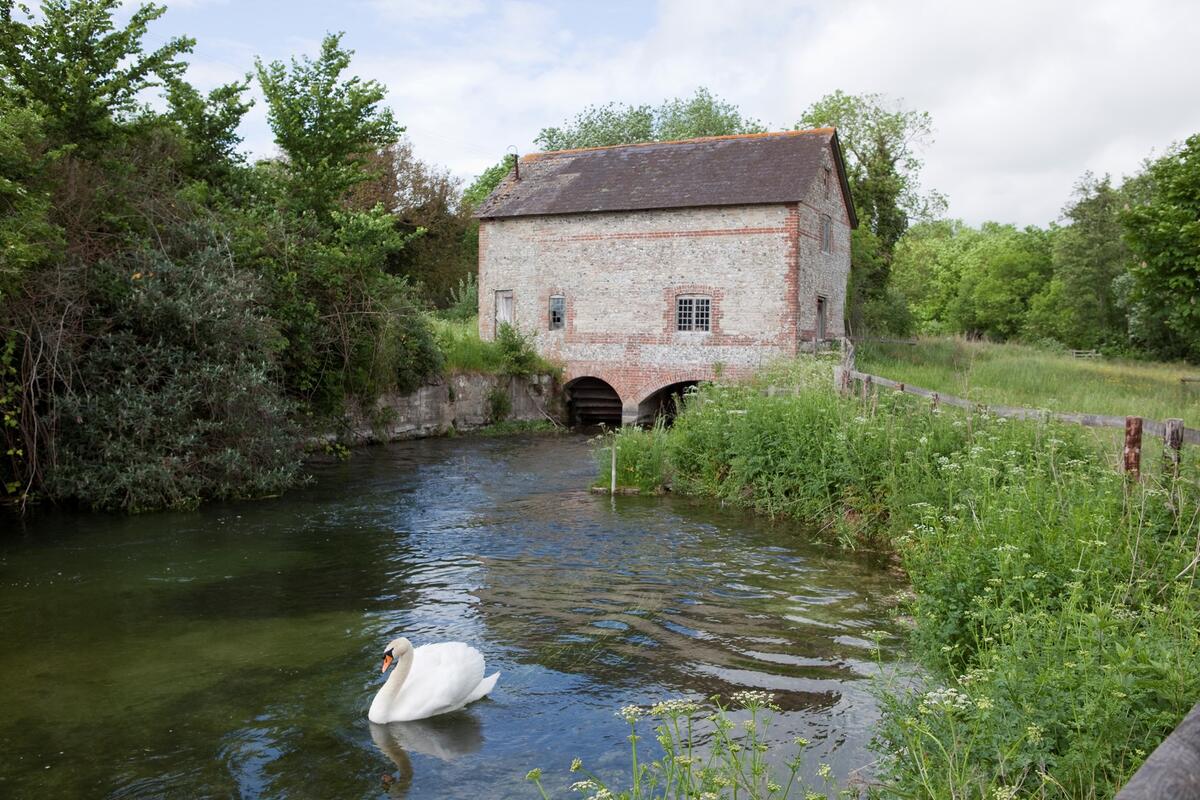
bounded by an SSSI, the River Till and agricultural land.
Social Care
and Health
There is no
GP practice and most of the inhabitants are served by Doctors in Codford,
Shrewton and Wilton.
The nearest dental practice is in Wilton.
Countryside
and Land Based Issues and Employment
The village
is surrounded by agricultural land but relatively few people work on the land.
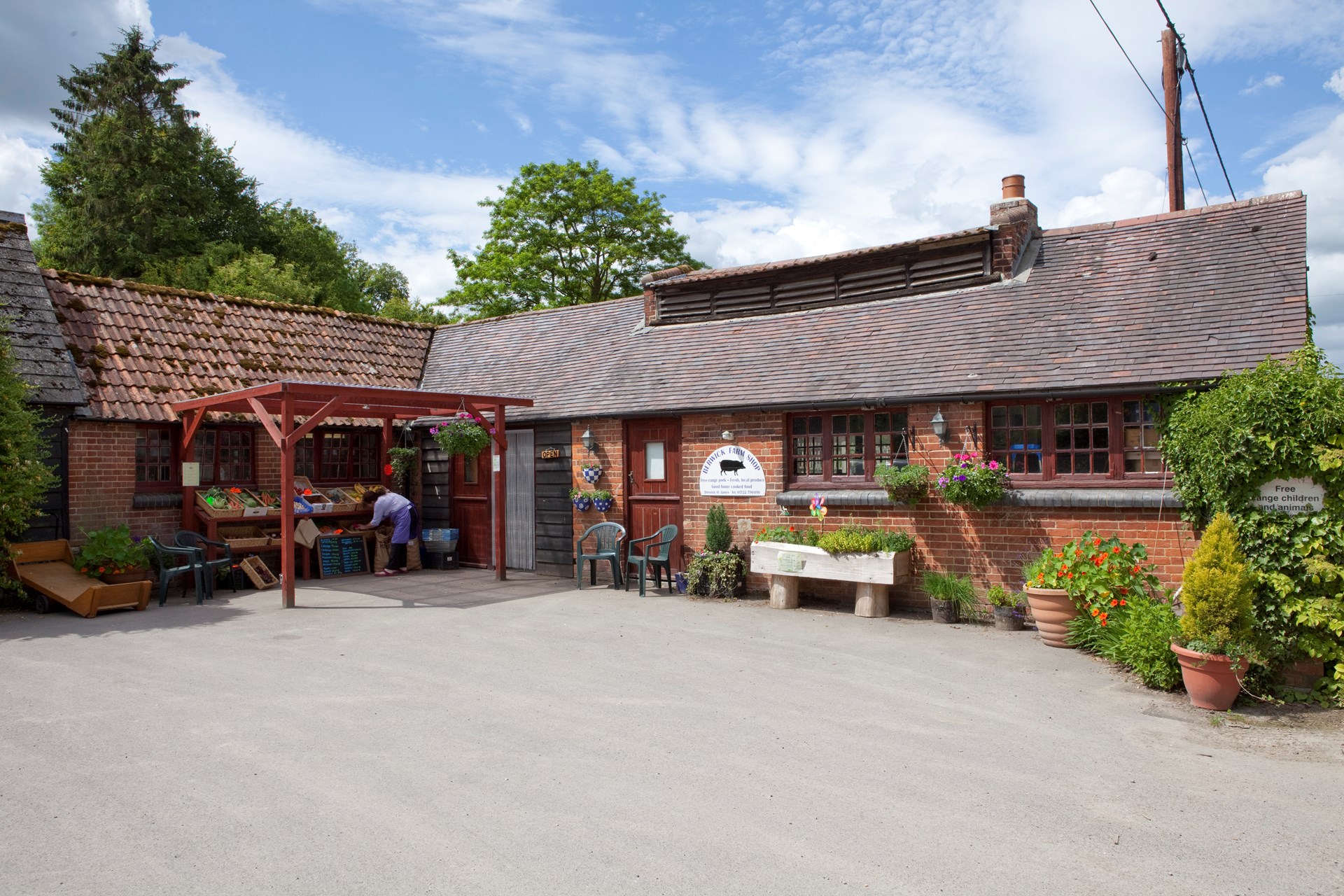
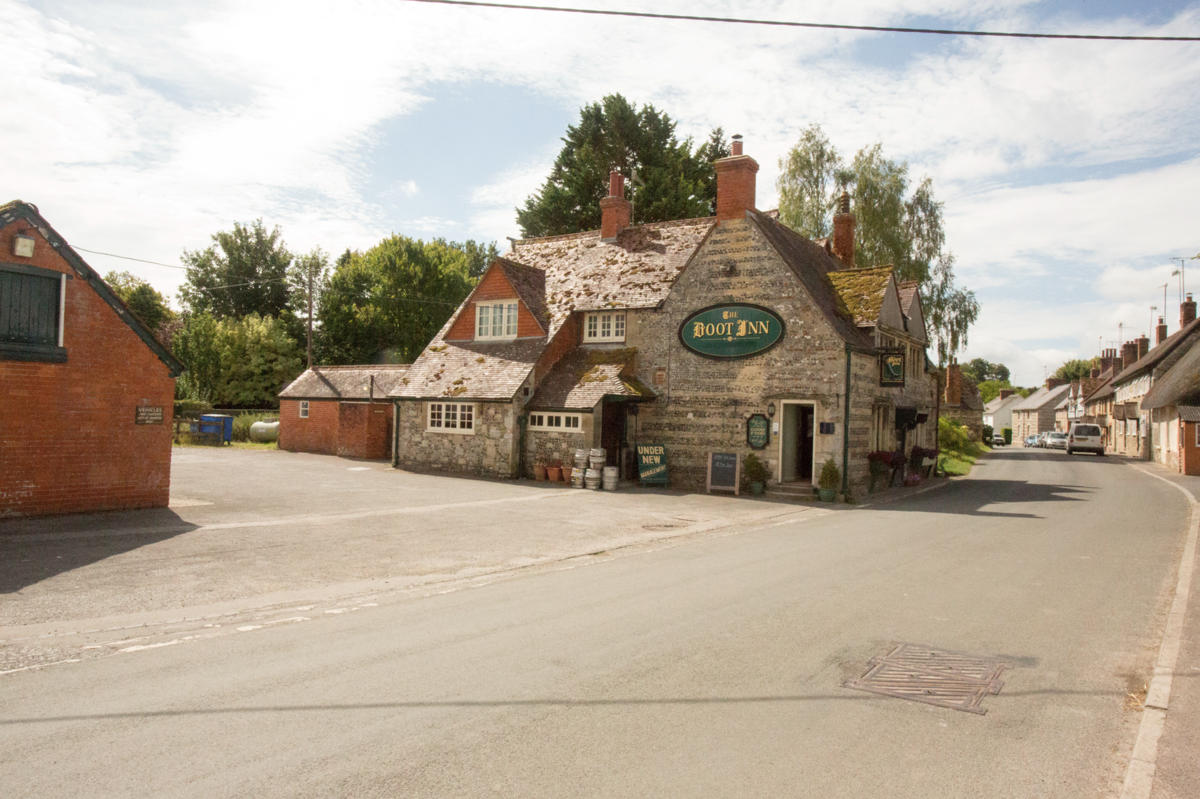
The local inn is one of the best in the area and there is also an excellent
farm shop. A relatively high proportion of the population are retired or semi
retired.
Housing and
Built Environment
Overall home
ownership is quite high but there are several properties which are rented – many
by long term tenants.
Local
Economy
As stated
previously, most of the inhabitants are retired. It is not known if there are
any unemployed but, if there are, it is a very small percentage.
Transport
Car
ownership is the village is high and most families have a car. There is also a
regular bus service to Wilton, Salisbury
and Devizes and a school bus to Great
Wishford School.
The A303 is about 1 mile to the North and the A36 about 2 miles to the South.
The nearest railway station is at Salisbury
– About 9 miles away.
Unless
there is an accident on the A36 which may cause a diversion through the
village, traffic is relatively light. However, there is increasing concern
about the speed at which people (non residents) drive through the High Street.
Crime and
Community Protection
To date the
village is relatively crime free and the most recent crimes have been stealing
gardening equipment and heating oil. There have been no recent cases of anti
social behaviour. There is a Neighbourhood Watch Scheme.
Education
There is no
school in the Parish. A mobile library visits about once a week.
Culture
The only
community sport is cricket but the number of players is diminishing. Most
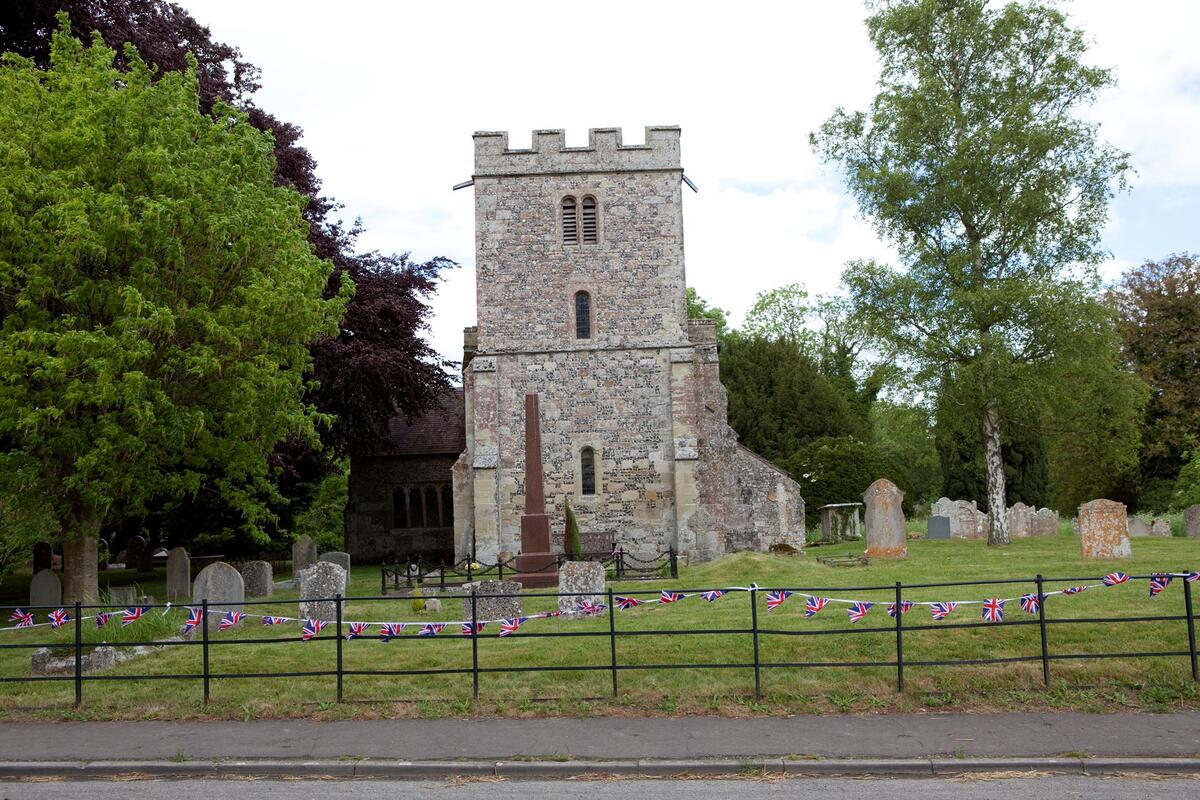
activities centre on the church, the pub and the reading room.
Conclusion
The Parish
appears to be harmonious and content with the status quo. The most important
issues appear to be:
- Protecting the existing
situation and environment.
- Ensuring that any new buildings
are in keeping with the style in the village.
- Persuading planning officers to
take more notice of the opinions of the villagers and not to overrule the
views of the majority.
******************************************************************************************************************************************************************************
*****************************************************************************************************************************************************************************
Feedback
The
following comments were added by Christian Lange - March
2011
Community
plans such as ours will contribute to the Community Area Plan. I think that
there are about 20 Community Areas in Wiltshire and each area has a Community Area
Board which makes decisions on all sorts of things. Looking at the plan, it
appears that the headings that you have included broadly reflect the topics
that are covered by the Community Area Boards. The Community Area Board should
be informed by the various community plans and this is particularly so if it
can be demonstrated that the plan was put together as a result of thorough consultation.
It is good
for a community to occasionally go through a consultation process as it can
draw a community together to decide upon what it wants for the future. All
should have the opportunity to be involved so that they can play a part in
deciding the direction of that community. This process can also help to put
weight behind future recommendations that the village meeting makes to planners
and other decision makers if these are linked to a community plan.
Carrying
out a consultation process for a village should not rely upon the views of the familiar
faces that come along to the village meetings. Efforts should be made to
involve people who may not always play an active role within our small
community. This type of consultation exercise can be quite a time consuming and
I know that it can be too much for one person to carry out on their own. I
would like to suggest that a small committee be put together to carry out some
consultation and draw up a plan which reflects the views of the whole
community. I feel that the plan that you have drafted will serve as a very
useful starting point.
I have listed
below some of my own observations on the plan and its conclusions:
- One of my top priorities is to
ensure that Berwick St James continues to be a friendly community where
most people know each other. This does not occur by chance and only
happens through a multitude of community activities. In my mind there is
no such thing as a status quo when it comes to communities. They are continually
changing and if we wish to retain what we have we must be clear about what
we value and put things in place within the plan to ensure they remain.
- I do not want Berwick to become
a village made up mostly of people who are retired. We should do all we
can to ensure that Berwick retains and attracts young people to live, work
and play an active role in the village. Bearing this in mind I feel that
the village plan should look at ways in which this can be done. For
example a good broadband connection enables people to work from home which
can lead to young families being able to live and work here. We should
also look at affordable housing for young families who wish to remain in village.
- Good public transport is also
essential and we should emphasise this point to ensure that existing buses
services are retained or expanded. School children rely on this as do a
number of retired people who do not have a car. This should be
- pointed out in the plan so that
decision makers take note of our wishes.
- I feel that we should also
stress what a valuable asset our village shop and pub are to community
life. If possible, we would like decision makers to take this into account
and offer council tax breaks or something similar – (I know that this may
be unrealistic but we have to try to ensure that people understand what
small rural communities value)
- I would prefer it if the point
that is made about new buildings were more flexible. I personally would
not mind if a new modern building were built in Berwick St James as long
as it was of architectural merit even if it was quite different from
existing housing stock. I totally agree with the point about ensuring that
planners take notice of our opinions and I feel that this could be
incorporated into the point about new buildings.
Christian
*************************************************************************************************************************************************************************************
The following
comments were added by Michelle Drouse
Hi Chris,
Thank you for the opportunity to provide comments on the
Berwick St James Community Plan. I think it is a great start (and appreciate
the hard work of Richard Brasher and others), and I like to provide some
additional thoughts and recommendations.
- General: It would be helpful to explain why we
are developing a 'Community Plan' and requesting community feedback and also I'm
unsure when you need feedback. I'm assuming it's to support the Wiltshire
Community Plan that sets out a strategic vision of the community to 2026 as
described here: http://www.wiltshire.gov.uk/communityandliving/communityplan.htm.
That will enable the community to contribute in a more meaningful way. Could
you please confirm that the draft that has been provided for review is to
support this effort? I'm confused as the Wiltshire website indicates that the
plan is being implemented in April 2011.
- Engagement: We recognise how difficult it can be
to engage with the community and solicit input. Putting it on the
website/twitter is a great first step so thank you! Additionally, have you
considered having a small committee charged with reaching out to their
neighbours (knock on the door, phone calls, social media, email, survey via
surveymonkey/in the post, etc)? We all have varied availability and respond to
different methods of communication. As new residents to the community, we'd
welcome the opportunity to not only meet neighbours, but participate in this
process (even if it's in a virtual way). I would like to offer my support in
drafting the plan if needed. I (Michelle) am a programme manager at the UK's
Design Council and am a town planner/community designer by trade and have been
involved in these types of efforts previously. David is a design executive at
Ford and manages collaborative advanced design processes.
- Overall Content: The content that has been
included is a good start and I think it could be even better with additional
catagories/input from the community. I found an example of another community
plan that might be a good resource/reference in terms of the outline content. It
also provides a mechanism to track our progress. Not only have they created the
community vision, they have demonstrated their actions/progress over time. I
recommend enhancing the existing content with some of these sections, ensuring
that they are relevant to Berwick St James. I'd be happy to provide an updated
template so ensure that we are covering other categories such as Climate
Change/Sustainability, Economic Development, Emergency Preparedness/Services,
Leisure/Arts/Community Facilities/Lifelong Learning, and so forth. Please see
the example here:
- Conculsion: I would like to build on the points
in this section. Recognising that there is harmony in the community sounds very
nice, although I'm not sure what that means. It would be good to clarify this.
Also, I would like to clarify the points that explain 'protecting the existing
situation/environment, ensuring that any new buildings are in keeping with the
style in the village, and persuading planning officers to take more notice of
villagers' opinions and not to overrule the views of the majority'. Some of
these details are much more about actions, rather than a community vision. And,
I think it's important to really think about the community long term and ensure
that we are preserving what is great about the community and also enhancing what
could be improved. I'd be happy to update this section as well as the others
with community input.
Thank
you again for sharing the draft Community Plan and we look forward to
participating.
Kind regards,
Michelle Deniz Drousé & David
Woodhouse
******************************************************************************************************************************************************
The following was sent
by Karen Linaker - Our Community Area Manager
i) Above all, this is an excellent use of the village website,
and it provides a great opportunity for local people to comment on the content
of the Berwick St James community plan, and to suggest ways in which the plan
might be enhanced to reflect the views, needs, aspirations of all in the
village
(ii) Perhaps the
simplest way to describe what a Community Plan is ‘that it should record the
views, needs, concerns, and aspirations of all in that community, with the
overall objective of maintaining and improving life for all in that
community’
(iii) The Plan
captures well the view of local community leaders who continue to serve and
represent the views of the whole village, and Mr Brasher should be commended for
his work on this, as Christian comments, ‘this is a good
start’
(iv) The Plan and
all subsequent comments posted about it provides very useful information for
the updating of the Amesbury Community Area Plan, which Cllr Ian West, as
Berwick St James unitary councillor, is working on with others in the Area, to
ensure that this “Area Plan” truly reflects and focuses on the views, needs and
aspirations of all 22 parishes in the Area
(v) The production of a Community Plan – and the
subsequent implementation of actions arising from local objectives, goals,
ambitions that this plan might list - can be quite a task, and other villages
in the Amesbury Community Area have drawn on the ideas of community planners
from organisations such as Community First to provide them with a steer on how
best to go about this work. A tried and tested approach is to form a small
group of local people who work alongside parish representatives to canvass the
views of all villagers, to verify that the Plan really does reflect local
opinion.
(vi) As Christian
suggests, there is merit in protecting the status quo – but only so long as this
is not at the expense of missing opportunities to improve life, amenities,
services and the general sense of ‘community’ in your village.
(vii) If there is
anything I can do to help Berwick St James in further developing its Community
Plan, I will.
Karen Linaker, Amesbury Community Area Manager, 01722 434697 karen.linaker@wiltshire.gov.uk
Comments peovided by Nicky Street:
Dear Chris Many thanks for encouraging us to look at the Community Plan.
My comments are as follows; Many thanks to those who did the original, it
is a great discussion document and all the work done to produce it is greatly
appreciated. Looking at the 2001 census there appears to be a bit of a
difference between the information given and the census . eg 2001 census says
there are 185 residents and 83 households. Also per the census 20% describe
themselves as retired. (the plan says "most" of the inhabitants are retired).
The census is 10 years out of date and so perhaps a sub-committee could
design a questionnaire and consider other ideas to help resolve these and other
points. I would find it particually interesting to know the work position as
in 2001 10% of Berwick's workers were in Agriculture as opposed to a national
figure of only 1.5% in England, (and did that include people retired from
agriculture?), as I have always thought of Berwick as a very farming based
village (but I could be wrong!) also home workers including the self employed,
and commuters to London. According to Karen Linaker (Community Area Manager)
the plan should record the views, needs, concerns and aspirations of the
villagers. I think a questionnaire etc would serve to do this, and I go along
with Michelle, David and Chris, and hope that it would bring in a wide range of
ideas. My views are not entirely the same as those expressed in the plan. I
would like to see aspirations included - even if those that don't seem likely to
happen! I am willing to take part in the work that will be needed to do
this! Thanks Nicky Street.
Cmments by Charles Street submitted 07/11/2011
A note to all those who live in
the parish of Berwick St. James. As many of you will be aware a community
plan has been written by our parish chairman. It was decided, at a parish
meeting, that this did not represent the views of everyone in the parish and
that the views of all those who live in the parish of Berwick should be sought.
As a result of this a committee was formed to come up with a questionnaire
which will eventually be distributed to all those who live in the parish, as
many of you cannot get to the parish meetings for whatever reason (timing, not
informed, etc.) and therefore make your views known. There are two
matters which concern me greatly. One: There are a few people in the village
who think this questionnaire should not go ahead at all, if this does not happen
how will the views of all the residents of Berwick be known to the Wiltshire
Council. Two: It has also been suggested that young people under the
age of 18 should not take part in the questionnaire; do some people seriously
believe that any one between the ages of 16 and 18 (many of whom will be taking
AS and A levels) are not intelligent enough to understand and answer the
questions? Are they also suggesting that young people between the ages of 14
and 16 (all of whom will be taking GCSEs) would not be able to understand and
fill in the form? I think this attitude is a terrible indictment on our young
people. I agree that an age limit has to be put on this but I do not think it
should be 18. It has been suggested that a shortened version of the
questionnaire should go to young people; I think this should go to the under 14
age group. I would encourage everyone in the parish to fully support the
hard work of the committee, and once the questionnaire has been distributed to
please fill it in so that it is the resounding success that it deserves to be,
and that all our views are made known to the Wiltshire
Council. Thanks Charles Street
******************************************************************************************************************************************************
******************************************************************************************************************************************************
The data below is taken from the 2001 Cencus.
| 2001 Census Key Statistics Profile |
| for Berwick St James Parish |
| Variables and descriptions |
Berwick St James Parish |
Salisbury |
England |
| counts |
% |
|
counts |
% |
|
counts |
% |
|
| |
|
|
|
|
|
|
|
|
|
|
|
|
| Headcounts |
|
|
|
|
|
|
|
|
|
|
| |
|
|
|
|
|
|
|
|
|
|
|
|
| Total
Area (hectares) |
1,012 |
|
|
100,100 |
|
|
13,028,060 |
|
|
| Total
population |
|
185 |
|
|
114,613 |
|
|
49,138,831 |
|
|
| |
Males |
|
|
89 |
48.1 |
|
56,120 |
49.0 |
|
23,922,144 |
48.7 |
|
| |
Females |
|
96 |
51.9 |
|
58,493 |
51.0 |
|
25,216,687 |
51.3 |
|
| |
|
|
|
|
|
|
|
|
|
|
|
|
| |
Household Residents |
185 |
100.0 |
|
110,646 |
96.5 |
|
48,248,150 |
98.2 |
|
| |
Communal Establishment
Residents (including resident staff) |
0 |
0.0 |
|
3,967 |
3.5 |
|
890,681 |
1.8 |
|
| |
|
with a limiting long term
illness |
0 |
0.0 |
|
1,166 |
29.4 |
|
396,275 |
44.5 |
|
| |
Medical and Care
Establishment Residents (excluding resident staff) |
0 |
0.0 |
|
1,224 |
1.1 |
|
376,275 |
0.8 |
|
| |
Other Establishment
Residents (excluding resident staff) |
0 |
0.0 |
|
2,567 |
2.2 |
|
442,191 |
0.9 |
|
| |
|
|
|
|
|
|
|
|
|
|
|
|
| Total
households |
|
83 |
|
|
47,408 |
|
|
20,451,427 |
|
|
| Average
household size (persons per household) |
2.23 |
|
|
2.33 |
|
|
2.36 |
|
|
| |
|
|
|
|
|
|
|
|
|
|
|
|
| Total
communal establishments |
0 |
|
|
125 |
|
|
43,972 |
|
|
| |
|
|
|
|
|
|
|
|
|
|
|
|
| Density
(persons per hectare) |
0.2 |
|
|
1.1 |
|
|
3.8 |
|
|
| |
|
|
|
|
|
|
|
|
|
|
|
|
| |
|
|
|
|
|
|
|
|
|
|
|
|
| Age
Structure |
|
|
|
|
|
|
|
|
|
|
| |
|
|
|
|
|
|
|
|
|
|
|
|
| Total Population |
185 |
|
|
114,613 |
|
|
49,138,831 |
|
|
| |
Aged 0 to 4 |
10 |
5.4 |
|
6,652 |
5.8 |
|
2,926,238 |
6.0 |
|
| |
Aged 5 to 9 |
9 |
4.9 |
|
7,130 |
6.2 |
|
3,122,529 |
6.4 |
|
| |
Aged 10 to 15 |
15 |
8.2 |
|
8,691 |
7.6 |
|
3,852,814 |
7.8 |
|
| |
Aged 16 to 19 |
7 |
3.8 |
|
5,074 |
4.4 |
|
2,408,837 |
4.9 |
|
| |
Aged 20 to 24 |
7 |
3.8 |
|
5,871 |
5.1 |
|
2,952,719 |
6.0 |
|
| |
Aged 25 to 29 |
7 |
3.8 |
|
6,575 |
5.7 |
|
3,268,660 |
6.7 |
|
| |
Aged 30 to 44 |
43 |
23.4 |
|
25,592 |
22.3 |
|
11,127,511 |
22.6 |
|
| |
Aged 45 to 59 |
38 |
20.7 |
|
22,355 |
19.5 |
|
9,279,693 |
18.9 |
|
| |
Aged 60 to 64 |
10 |
5.4 |
|
5,928 |
5.2 |
|
2,391,830 |
4.9 |
|
| |
Aged 65 to 74 |
26 |
14.1 |
|
10,764 |
9.4 |
|
4,102,841 |
8.3 |
|
| |
Aged 75 to 84 |
9 |
4.9 |
|
7,288 |
6.4 |
|
2,751,135 |
5.6 |
|
| |
Aged 85 to 89 |
3 |
1.6 |
|
1,759 |
1.5 |
|
637,701 |
1.3 |
|
| |
Aged 90+ |
|
0 |
0.0 |
|
934 |
0.8 |
|
316323 |
0.6 |
|
| |
|
|
|
|
|
|
|
|
|
|
|
|
| |
|
|
|
|
|
|
|
|
|
|
|
|
| Marital
Status (people aged 16 or over) |
|
|
|
|
|
|
|
|
|
| |
|
|
|
|
|
|
|
|
|
|
|
|
| Total Population
aged 16 and over |
149 |
|
|
92,140 |
|
|
39,237,250 |
|
|
| |
Single, widowed, divorced
or separated |
59 |
39.6 |
|
40,681 |
44.2 |
|
19,282,756 |
49.1 |
|
| |
Married or re-married |
90 |
60.4 |
|
51,459 |
55.8 |
|
19,954,494 |
50.9 |
|
| |
|
|
|
|
|
|
|
|
|
|
|
|
| |
|
|
|
|
|
|
|
|
|
|
|
|
| Ethnicity |
|
|
|
|
|
|
|
|
|
|
|
| |
|
|
|
|
|
|
|
|
|
|
|
|
| Total population |
185 |
|
|
114,613 |
|
|
49,138,831 |
|
|
| |
White |
|
|
183 |
100.0 |
|
113,096 |
98.7 |
|
44,679,361 |
90.9 |
|
| |
Non-White |
|
0 |
0.0 |
|
1,517 |
1.3 |
|
4,459,470 |
9.1 |
|
| |
|
|
|
|
|
|
|
|
|
|
|
|
| |
|
|
|
|
|
|
|
|
|
|
|
|
| Country
of Birth |
|
|
|
|
|
|
|
|
|
|
| |
|
|
|
|
|
|
|
|
|
|
|
|
| Total population |
185 |
|
|
114,613 |
|
|
49,138,831 |
|
|
| |
Born in the United Kingdom |
172 |
95.0 |
|
106,899 |
93.3 |
|
44,588,008 |
90.7 |
|
| |
Born in the rest of EU (as defined 29/04/2001) |
0 |
0.0 |
|
3,583 |
3.1 |
|
1,154,707 |
2.3 |
|
| |
Born elsewhere |
9 |
5.0 |
|
4,131 |
3.6 |
|
3,396,116 |
6.9 |
|
| |
|
|
|
|
|
|
|
|
|
|
|
|
| |
|
|
|
|
|
|
|
|
|
|
|
|
| Religion* |
|
|
|
|
|
|
|
|
|
|
|
| |
|
|
|
|
|
|
|
|
|
|
|
|
| Total population |
185 |
|
|
114,613 |
|
|
49,138,831 |
|
|
| |
Christian |
|
151 |
81.6 |
|
89,731 |
78.3 |
|
35,251,244 |
71.7 |
|
| |
No religion |
|
26 |
14.1 |
|
15,559 |
13.6 |
|
7,171,332 |
14.6 |
|
| |
Religion not stated* |
8 |
4.3 |
|
8,220 |
7.2 |
|
3,776,515 |
7.7 |
|
| |
Other religion |
|
0 |
0.0 |
|
1,103 |
1.0 |
|
2,939,740 |
6.0 |
|
| |
|
|
|
|
|
|
|
|
|
|
|
|
| *Religion was not a
compulsory question in the 2001 Census |
|
|
|
|
|
|
|
|
|
| |
|
|
|
|
|
|
|
|
|
|
|
|
| |
|
|
|
|
|
|
|
|
|
|
|
|
| Health
and Limiting Long-Term Illness* |
|
|
|
|
|
|
|
|
|
| |
|
|
|
|
|
|
|
|
|
|
|
|
| Total population |
185 |
|
|
114,613 |
|
|
49,138,831 |
|
|
| |
In good health |
143 |
77.3 |
|
82,863 |
72.3 |
|
33,787,361 |
68.8 |
|
| |
In fairly good health |
32 |
17.3 |
|
23,862 |
20.8 |
|
10,915,594 |
22.2 |
|
| |
Not in good health |
10 |
5.4 |
|
7,888 |
6.9 |
|
4,435,876 |
9.0 |
|
| |
|
|
|
|
|
|
|
|
|
|
|
|
| |
With a limiting long-term
illness* |
22 |
11.9 |
|
18,317 |
16.0 |
|
8,809,194 |
17.9 |
|
| |
|
|
|
|
|
|
|
|
|
|
|
|
| * Limiting long-term illness covers any long-term illness;
health problem or disability which limits daily activities or work |
|
|
|
|
|
|
|
|
|
| |
|
|
|
|
|
|
|
|
| |
|
|
|
|
|
|
|
|
|
|
|
|
| |
|
|
|
|
|
|
|
|
|
|
|
|
| Unpaid
Care |
|
|
|
|
|
|
|
|
|
|
| |
|
|
|
|
|
|
|
|
|
|
|
|
| Total Population |
185 |
|
|
114,613 |
|
|
49,138,831 |
|
|
| |
Persons providing unpaid
care |
14 |
7.6 |
|
10,781 |
9.4 |
|
4,877,060 |
9.9 |
|
| |
|
1-19 hours unpaid care
per week |
14 |
100.0 |
|
8,117 |
75.3 |
|
3,347,531 |
68.6 |
|
| |
|
20-49 hours unpaid care
per week |
0 |
0.0 |
|
880 |
8.2 |
|
530,797 |
10.9 |
|
| |
|
50+ hours unpaid care per
week |
0 |
0.0 |
|
1,784 |
16.5 |
|
998,732 |
20.5 |
|
| |
|
|
|
|
|
|
|
|
|
|
|
|
| |
|
|
|
|
|
|
|
|
|
|
|
|
| Household
Composition |
|
|
|
|
|
|
|
|
|
| |
|
|
|
|
|
|
|
|
|
|
|
|
| Total
households |
|
83 |
|
|
47,408 |
|
|
20,451,427 |
|
|
| |
One person households:
pensioner |
7 |
9.9 |
|
7,160 |
15.1 |
|
2,939,465 |
14.4 |
|
| |
Other pensioner only
households |
12 |
16.9 |
|
5,520 |
11.6 |
|
1,908,837 |
9.3 |
|
| |
Other one person households |
|
|
20 |
28.2 |
|
6,259 |
13.2 |
|
3,210,799 |
15.7 |
|
| |
|
|
|
|
|
|
|
|
|
|
|
|
| |
Married couple
households with no children |
11 |
15.5 |
|
7,442 |
15.7 |
|
2,656,440 |
13.0 |
|
| |
Married couple
households with dependant children |
17 |
23.9 |
|
9,165 |
19.3 |
|
3,591,335 |
17.6 |
|
| |
|
|
|
|
|
|
|
|
|
|
|
|
| |
Co-habiting couple
households with no children |
4 |
5.6 |
|
2,019 |
4.3 |
|
976,879 |
4.8 |
|
| |
Co-habiting couple
households with dependant children |
0 |
0.0 |
|
1,322 |
2.8 |
|
661,073 |
3.2 |
|
| |
|
|
|
|
|
|
|
|
|
|
|
|
| |
Male lone parents with
dependant children |
0 |
0.0 |
|
252 |
0.5 |
|
125,099 |
0.6 |
|
| |
Male lone parents
working full time |
0 |
0.0 |
|
162 |
0.3 |
|
70,377 |
0.3 |
|
| |
Male lone parents
working part time |
0 |
0.0 |
|
16 |
0.0 |
|
8,746 |
0.0 |
|
| |
|
|
|
|
|
|
|
|
|
|
|
|
| |
Female lone parents with
dependant children |
3 |
4.2 |
|
2,035 |
4.3 |
|
1,186,875 |
5.8 |
|
| |
Female lone parents
working full time |
0 |
0.0 |
|
513 |
1.1 |
|
256,520 |
1.3 |
|
| |
Female lone parents
working part time |
0 |
0.0 |
|
702 |
1.5 |
|
313,426 |
1.5 |
|
| |
|
|
|
|
|
|
|
|
|
|
|
|
| |
Households with
dependent children |
20 |
28.2 |
|
13,524 |
28.5 |
|
6,022,751 |
29.4 |
|
| |
Households with
child(ren) aged 0 to 4 |
6 |
8.5 |
|
5,296 |
11.2 |
|
2,326,443 |
11.4 |
|
| |
Households with
dependant children and no adult in employment |
0 |
0.0 |
|
1,222 |
2.6 |
|
6,322,486 |
30.9 |
|
| |
Households with at least
one person with a limiting long term illness |
19 |
26.8 |
|
14,294 |
30.2 |
|
6,862,037 |
33.6 |
|
| |
|
|
|
|
|
|
|
|
|
|
|
|
| |
|
|
|
|
|
|
|
|
|
|
|
|
| Economic
Activity* (people aged 16-74 years) |
|
|
|
|
|
|
|
|
|
| |
|
|
|
|
|
|
|
|
|
|
|
|
| Total Population
aged 16 to 74 |
137 |
|
|
82,159 |
|
|
35,532,091 |
|
|
| |
Economically active* |
94 |
68.6 |
|
59,066 |
71.9 |
|
23,756,707 |
66.9 |
|
| |
Employee |
|
64 |
46.7 |
|
46,865 |
57.0 |
|
18,695,282 |
52.6 |
|
| |
Self-employed |
24 |
17.5 |
|
8,968 |
10.9 |
|
2,954,988 |
8.3 |
|
| |
Unemployed |
|
6 |
4.4 |
|
1,483 |
1.8 |
|
1,188,855 |
3.3 |
|
| |
Students in employment
(not counted elsewhere)** |
0 |
0.0 |
|
1,750 |
2.1 |
|
917,582 |
2.6 |
|
| |
|
|
|
|
|
|
|
|
|
|
|
|
| |
Economically inactive |
43 |
31.4 |
|
23,093 |
28.1 |
|
11,775,384 |
33.1 |
|
| |
Permanently sick or
disabled |
0 |
0.0 |
|
2,555 |
3.1 |
|
1,884,901 |
5.3 |
|
| |
Looking after home or
family |
7 |
5.1 |
|
4,959 |
6.0 |
|
2,316,229 |
6.5 |
|
| |
Retired |
|
28 |
20.4 |
|
12,041 |
14.7 |
|
4,811,595 |
13.5 |
|
| |
Other |
|
|
8 |
5.8 |
|
1,679 |
2.0 |
|
1,102,095 |
3.1 |
|
| |
|
|
|
|
|
|
|
|
|
|
|
|
| Total
students** |
|
7 |
|
|
3,609 |
|
|
2,578,146 |
|
|
| |
Persons 16-24 unemployed |
0 |
0.0 |
|
376 |
3.4 |
|
305,452 |
5.7 |
|
| |
Persons 16-74 with degree |
39 |
28.5 |
|
17,565 |
21.4 |
|
7,072,052 |
19.9 |
|
| |
|
|
|
|
|
|
|
|
|
|
|
|
| Total
males aged 16 to 74 |
65 |
|
|
41,004 |
|
|
17,489,977 |
|
|
| |
Economically active* |
50 |
76.9 |
|
32,890 |
80.2 |
|
12,969,059 |
74.2 |
|
| |
Working |
|
46 |
70.8 |
|
32,089 |
78.3 |
|
12,222,083 |
69.9 |
|
| |
Unemployed |
|
4 |
6.2 |
|
801 |
2.0 |
|
746,976 |
4.3 |
|
| |
Economically inactive |
15 |
23.1 |
|
8,114 |
19.8 |
|
4,520,918 |
25.8 |
|
| |
|
|
|
|
|
|
|
|
|
|
|
|
| Total
Females aged 16 to 74 |
73 |
|
|
41,155 |
|
|
18,042,114 |
|
|
| |
Economically active* |
43 |
58.9 |
|
26,176 |
63.6 |
|
10,787,648 |
59.8 |
|
| |
Working |
|
42 |
57.5 |
|
25,494 |
61.9 |
|
10,345,769 |
57.3 |
|
| |
Unemployed |
|
1 |
1.4 |
|
682 |
1.7 |
|
441,879 |
2.4 |
|
| |
Economically inactive |
30 |
41.1 |
|
14,979 |
36.4 |
|
7,254,466 |
40.2 |
|
| |
|
|
|
|
|
|
|
|
|
|
|
|
| * Economically active is defined as all persons working, or
looking for work and available to start work within 2 weeks. |
|
|
|
|
|
|
|
|
|
| |
|
|
|
|
|
|
|
|
| ** Student includes
full-time students who are economically active |
|
|
|
|
|
|
|
|
|
| |
|
|
|
|
|
|
|
|
|
|
|
|
| |
|
|
|
|
|
|
|
|
|
|
|
|
| Hours
Worked* (people aged 16-74 in employment) |
|
|
|
|
|
|
|
|
|
| |
|
|
|
|
|
|
|
|
|
|
|
|
| Total
males aged 16 to 74 in employment |
46 |
|
|
32,027 |
|
|
12,155,166 |
|
|
| |
Males working fewer than
31 hours a week** |
0 |
0.0 |
|
2,800 |
8.7 |
|
1,171,822 |
9.6 |
|
| |
Males working 31 or more
hours a week |
46 |
100.0 |
|
4,412 |
13.8 |
|
1,790,321 |
14.7 |
|
| |
|
|
|
|
|
|
|
|
|
|
|
|
| Total
Females aged 16 to 74 in employment |
42 |
|
|
25,441 |
|
|
10,286,332 |
|
|
| |
Females working fewer
than 31 hours a week** |
17 |
40.5 |
|
11,492 |
45.2 |
|
4,359,388 |
42.4 |
|
| |
Females working 31 or
more hours a week |
25 |
59.5 |
|
5,235 |
20.6 |
|
2,285,236 |
22.2 |
|
| |
|
|
|
|
|
|
|
|
|
|
|
|
| * Hours worked is the average number of hours worked a week for
the four weeks before the Census |
|
|
|
|
|
|
|
|
|
| |
|
|
|
|
|
|
|
|
| ** Working fewer
than 31 hours a week is classified as part-time work |
|
|
|
|
|
|
|
|
|
| |
|
|
|
|
|
|
|
|
|
|
|
|
| |
|
|
|
|
|
|
|
|
|
|
|
|
| Industry
of Employment (people aged 16-74 in employment) |
|
|
|
|
|
|
|
|
|
| |
|
|
|
|
|
|
|
|
|
|
|
|
| Total
Population aged 16 to 74 in employment |
91 |
|
|
57,468 |
|
|
22,441,498 |
|
|
| |
Agriculture, hunting,
forestry and fishing |
9 |
10.2 |
|
1,777 |
3.1 |
|
331,513 |
1.5 |
|
| |
Mining and quarrying |
0 |
0.0 |
|
61 |
0.1 |
|
55,481 |
0.2 |
|
| |
Manufacturing |
5 |
5.7 |
|
5,584 |
9.7 |
|
3,328,437 |
14.8 |
|
| |
Electricity, gas and
water supply |
0 |
0.0 |
|
135 |
0.2 |
|
159,619 |
0.7 |
|
| |
Construction |
|
3 |
3.4 |
|
3,940 |
6.9 |
|
1,515,996 |
6.8 |
|
| |
Retail and wholesale
trade |
11 |
12.5 |
|
8,710 |
15.2 |
|
3,782,043 |
16.9 |
|
| |
Hotels and catering |
4 |
4.5 |
|
2,620 |
4.6 |
|
1,061,617 |
4.7 |
|
| |
Transport, storage and
communications |
4 |
4.5 |
|
2,766 |
4.8 |
|
1,590,031 |
7.1 |
|
| |
Financial services |
4 |
4.5 |
|
2,489 |
4.3 |
|
1,078,082 |
4.8 |
|
| |
Real estate, renting and
business activities |
10 |
11.4 |
|
7,547 |
13.1 |
|
2,964,468 |
13.2 |
|
| |
Public administration and
defence |
17 |
19.3 |
|
8,742 |
15.2 |
|
1,270,755 |
5.7 |
|
| |
Education |
|
8 |
9.1 |
|
3,909 |
6.8 |
|
1,736,497 |
7.7 |
|
| |
Health and social work |
6 |
6.8 |
|
6,306 |
11.0 |
|
2,400,698 |
10.7 |
|
| |
Other |
|
|
7 |
8.0 |
|
2,882 |
5.0 |
|
1,166,261 |
5.2 |
|
| |
|
|
|
|
|
|
|
|
|
|
|
|
| |
|
|
|
|
|
|
|
|
|
|
|
|
| Occupation
(people aged 16-74 in employment) |
|
|
|
|
|
|
|
|
|
| |
|
|
|
|
|
|
|
|
|
|
|
|
| Total
Population aged 16 to 74 in employment |
91 |
|
|
57,468 |
|
|
22,441,498 |
|
|
| |
Managers and senior
officials |
26 |
28.6 |
|
8,939 |
15.6 |
|
3,424,899 |
15.3 |
|
| |
Professional occupations |
18 |
19.8 |
|
6,326 |
11.0 |
|
2,515,679 |
11.2 |
|
| |
Associate professional
& technical occupations |
11 |
12.1 |
|
9,927 |
17.3 |
|
3,104,993 |
13.8 |
|
| |
Administrative and
secretarial occupations |
8 |
8.8 |
|
7,435 |
12.9 |
|
3,004,721 |
13.4 |
|
| |
Skilled trade occupations |
13 |
14.3 |
|
6,977 |
12.1 |
|
2,591,875 |
11.5 |
|
| |
Personal service
occupations |
3 |
3.3 |
|
3,960 |
6.9 |
|
1,545,367 |
6.9 |
|
| |
Sales and customer
service occupations |
3 |
3.3 |
|
4,044 |
7.0 |
|
1,717,796 |
7.7 |
|
| |
Process, plant and
machine operatives |
4 |
4.4 |
|
3,639 |
6.3 |
|
1,889,126 |
8.4 |
|
| |
Elementary occupations |
5 |
5.5 |
|
6,221 |
10.8 |
|
2,647,042 |
11.8 |
|
| |
|
|
|
|
|
|
|
|
|
|
|
|
| |
|
|
|
|
|
|
|
|
|
|
|
|
| Means
of Travel to Work* (people aged 16-74 in employment) |
|
|
|
|
|
|
|
|
|
| |
|
|
|
|
|
|
|
|
|
|
|
|
| Total
Population aged 16 to 74 in employment |
91 |
|
|
57,468 |
|
|
22,441,498 |
|
|
| |
Driving a car or van |
59 |
66.3 |
|
32,509 |
56.6 |
|
12,324,166 |
54.9 |
|
| |
Passenger in a car or van
(incl. by taxi) |
5 |
5.6 |
|
3,635 |
6.3 |
|
1,487,188 |
6.6 |
|
| |
Train (incl. light rail,
tram or underground) |
3 |
3.4 |
|
1,017 |
1.8 |
|
1,659,409 |
7.4 |
|
| |
Bus or coach |
|
0 |
0.0 |
|
2,401 |
4.2 |
|
1,685,361 |
7.5 |
|
| |
Motorcycle, scooter or
moped |
0 |
0.0 |
|
671 |
1.2 |
|
249,456 |
1.1 |
|
| |
Bicycle |
|
0 |
0.0 |
|
2,246 |
3.9 |
|
634,588 |
2.8 |
|
| |
On foot |
|
3 |
3.4 |
|
8,220 |
14.3 |
|
2,241,901 |
10.0 |
|
| |
Other |
|
|
0 |
0.0 |
|
349 |
0.6 |
|
104,205 |
0.5 |
|
| |
Works mainly at or from
home |
19 |
21.3 |
|
6,420 |
11.2 |
|
2,055,224 |
9.2 |
|
| |
|
|
|
|
|
|
|
|
|
|
|
|
| * for the longest part of the journey by distance |
|
|
|
|
|
|
|
|
|
| |
|
|
|
|
|
|
|
|
|
|
|
|
| |
|
|
|
|
|
|
|
|
|
|
|
|
| Accommodation
Type |
|
|
|
|
|
|
|
|
|
| |
|
|
|
|
|
|
|
|
|
|
|
|
| Total
household spaces* |
86 |
|
|
49,216 |
|
|
21,262,825 |
|
|
| |
With residents |
83 |
96.5 |
|
47,408 |
96.3 |
|
20,451,427 |
96.2 |
|
| |
Vacant (no residents) |
3 |
3.5 |
|
1,438 |
2.9 |
|
676,196 |
3.2 |
|
| |
Second residence or
holiday home |
0 |
0.0 |
|
370 |
0.8 |
|
135,202 |
0.6 |
|
| |
|
|
|
|
|
|
|
|
|
|
|
|
| |
Detached house or
bungalow |
39 |
45.3 |
|
17,669 |
35.9 |
|
4,786,456 |
22.5 |
|
| |
Semi-detached house or
bungalow |
24 |
27.9 |
|
14,428 |
29.3 |
|
6,713,183 |
31.6 |
|
| |
Terraced house or
bungalow |
14 |
16.3 |
|
10,569 |
21.5 |
|
5,494,033 |
25.8 |
|
| |
Flat or bedsit |
|
9 |
10.5 |
|
5,985 |
12.2 |
|
4,180,235 |
19.7 |
|
| |
Mobile home or caravan |
0 |
0.0 |
|
565 |
1.1 |
|
88,918 |
0.4 |
|
| |
|
|
|
|
|
|
|
|
|
|
|
|
| *A household space is defined as
the accommodation available for an individual household. A dwelling can
consist of one household space (an unshared dwelling) or two or more
household spaces (a shared dwelling). |
|
|
|
|
|
|
|
|
|
| |
|
|
|
|
|
|
|
|
| |
|
|
|
|
|
|
|
|
| |
|
|
|
|
|
|
|
|
|
|
|
|
| |
|
|
|
|
|
|
|
|
|
|
|
|
| Tenure
of Household Accommodation |
|
|
|
|
|
|
|
|
|
| |
|
|
|
|
|
|
|
|
|
|
|
|
| Total
households |
|
83 |
|
|
47,408 |
|
|
20,451,427 |
|
|
| |
Owned Outright |
21 |
25.3 |
|
14,923 |
31.5 |
|
5,969,670 |
29.2 |
|
| |
Owns with mortgage or
loan (incl. shared) |
22 |
26.5 |
|
16,925 |
35.7 |
|
8,084,452 |
39.5 |
|
| |
Rented from Local
Authority |
5 |
6.0 |
|
5,650 |
11.9 |
|
2,702,482 |
13.2 |
|
| |
Rented from housing
association |
0 |
0.0 |
|
1,902 |
4.0 |
|
1,238,246 |
6.1 |
|
| |
Rented from private
landlord or agency |
25 |
30.1 |
|
4,585 |
9.7 |
|
1,798,864 |
8.8 |
|
| |
Rented from employer or
living rent free |
10 |
12.0 |
|
3,423 |
7.2 |
|
657,713 |
3.2 |
|
| |
|
|
|
|
|
|
|
|
|
|
|
|
| |
|
|
|
|
|
|
|
|
|
|
|
|
| Number
of Rooms, Amenities and Lowest Floor Level |
|
|
|
|
|
|
|
|
|
| |
|
|
|
|
|
|
|
|
|
|
|
|
| Total
households |
|
83 |
|
|
47,408 |
|
|
20,451,427 |
|
|
| |
Average number of rooms
per household |
6.6 |
|
|
5.7 |
|
|
5.3 |
|
|
| |
|
|
|
|
|
|
|
|
|
|
|
|
| |
With central heating and
sole use of WC and bath/shower |
73 |
89.0 |
|
44,439 |
93.7 |
|
18,640,577 |
91.1 |
|
| |
With central heating but
without sole use of WC and bath/shower |
0 |
0.0 |
|
102 |
0.2 |
|
66,706 |
0.3 |
|
| |
With sole use of WC and
bath/shower but without central heating |
9 |
11.0 |
|
2,795 |
5.9 |
|
1,711,405 |
8.4 |
|
| |
Without either central
heating or sole use of WC and bath/shower |
0 |
0.0 |
|
72 |
0.2 |
|
32,739 |
0.2 |
|
| |
|
|
|
|
|
|
|
|
|
|
|
|
| |
Lowest floor below street
level |
0 |
0.0 |
|
564 |
1.2 |
|
562,054 |
2.7 |
|
| |
Lowest floor at street
level |
76 |
93.8 |
|
43,451 |
91.7 |
|
17,494,330 |
85.5 |
|
| |
Lowest floor between 1
and 4 storeys above street level |
5 |
6.2 |
|
3,390 |
7.2 |
|
2,254,606 |
11.0 |
|
| |
Lowest floor 5 storeys or
more above street level |
0 |
0.0 |
|
3 |
0.0 |
|
140,437 |
0.7 |
|
| |
|
|
|
|
|
|
|
|
|
|
|
|
| |
|
|
|
|
|
|
|
|
|
|
|
|
| Cars
Available to Household* |
|
|
|
|
|
|
|
|
|
| |
|
|
|
|
|
|
|
|
|
|
|
|
| Total
households |
|
83 |
|
|
47,408 |
|
|
20,451,427 |
|
|
| |
Households with no car or
van |
6 |
7.1 |
|
8,261 |
17.4 |
|
5,488,386 |
26.8 |
|
| |
Households with one car
or van |
37 |
43.5 |
|
21,240 |
44.8 |
|
8,935,718 |
43.7 |
|
| |
Households with two cars
or vans |
32 |
37.6 |
|
13,908 |
29.3 |
|
4,818,581 |
23.6 |
|
| |
Households with three or
more cars or vans |
10 |
11.8 |
|
3,999 |
8.4 |
|
1,208,742 |
5.9 |
|
| |
|
|
|
|
|
|
|
|
|
|
|
|
| |
Total cars* |
|
126 |
|
|
62,650 |
|
|
22,607,629 |
|
|
| |
Number of cars/vans per
household |
1.48 |
|
|
1.32 |
|
|
1.10 |
|
|
| |
|
|
|
|
|
|
|
|
|
|
|
|
| * Includes any car
or van available for private use |
|
|
|
|
|
|
|
|
|
| |
|
|
|
|
|
|
|
|
|
|
|
|
| |
|
|
|
|
|
|
|
|
|
|
|
|
| The data for small areas from
which this profile is derived have been randomly adjusted to avoid the
release of confidential information. Consequently some totals might not add
correctly or agree between sections. For
further information see the ONS website at
www.statistics.gov.uk/census2001/discloseprotect.asp |
| |
|
|
|
|
|
|
|
|
|
|
|
|
| The information contained in
this profile is taken from the 2001 Census Key Statistics data published by
the Office for National Statistics.
©Crown Copyright. |
| |
|
|
|
|
|
|
|
|
|
|
|
|
| Key Statistics for Wards and other Census material
can be accessed via the ONS website at: |
| www.statistics.gov.uk/census2001 |
| www.neighbourhood.statistics.gov.uk |
|
|
|